Por que acompanhar seu patrimônio líquido é o melhor hábito financeiro que você pode criar
Por que acompanhar seu patrimônio líquido é o melhor hábito financeiro que você pode criar
A maioria das pessoas acompanha seus gastos. Menos pessoas acompanham sua renda. Quase ninguém acompanha seu patrimônio líquido, e isso é um problema.
O patrimônio líquido é o retrato mais completo da sua saúde financeira. Ele responde à pergunta que todas as outras métricas evitam: "Eu estou realmente construindo riqueza?"
O que é patrimônio líquido, afinal?
A fórmula é enganosamente simples:
Ativos - Passivos = Patrimônio Líquido
Some tudo o que você possui (poupança, investimentos, imóveis, cripto, dinheiro em espécie). Subtraia tudo o que você deve (financiamento imobiliário, empréstimos estudantis, dívidas de cartão de crédito). O número resultante é o seu patrimônio líquido.
Não importa se esse número é negativo agora. O que importa é a direção em que ele se move ao longo do tempo.
Por que esse único número importa mais que seu orçamento
O orçamento diz para onde foi seu dinheiro no mês passado. O patrimônio líquido diz se toda a sua vida financeira está avançando ou retrocedendo. Como diz o velho ditado das finanças pessoais: "Você não consegue gerenciar o que não mede."
Veja por que o acompanhamento do patrimônio líquido funciona onde o orçamento costuma falhar:
Ele simplifica a complexidade
Você pode ter um fundo de previdência, uma conta de investimentos, um pouco de cripto, uma poupança, patrimônio em imóveis e um financiamento de carro. Individualmente, são apenas números. Juntos, como patrimônio líquido, eles contam uma história.
Segundo o Investor.gov, entender o quadro completo da sua situação financeira é o primeiro passo para tomar decisões de investimento informadas. O patrimônio líquido dá a você exatamente essa visão.
Ele gera motivação através da visibilidade
Existe algo poderoso em ver um número crescer. Um estudo do National Bureau of Economic Research descobriu que simplesmente fornecer às pessoas informações claras sobre sua situação financeira melhorou significativamente seu comportamento de poupança.
Quando você vê seu patrimônio líquido crescendo mês a mês, mesmo que em pequenas quantias, isso reforça os hábitos que te trouxeram até aqui. Transforma o abstrato "poupar para o futuro" em uma tendência concreta e visível.
Ele detecta problemas cedo
Se seu patrimônio líquido estagna ou cai, você percebe imediatamente. Talvez a inflação do estilo de vida tenha se instalado. Talvez uma assinatura esquecida esteja drenando dinheiro há meses. Talvez sua alocação de investimentos tenha desviado. O acompanhamento do patrimônio líquido revela esses problemas antes que se tornem sérios.
Ele torna as metas concretas
"Eu quero ser financeiramente independente" é vago. "Eu quero que meu patrimônio líquido chegue a R$ 2.500.000 até os 35 anos" é específico, mensurável e rastreável. Você pode sobrepor sua trajetória alvo ao seu crescimento real e identificar lacunas entre intenção e realidade.
Com que frequência você deve acompanhar?
Mensalmente funciona para a maioria das pessoas. Leva cerca de 5 minutos: abra cada conta, anote o saldo atual, registre e revise o total. Só isso.
Para ativos difíceis de avaliar, como imóveis, estimativas trimestrais ou semestrais são suficientes. O objetivo é consistência, não precisão.
Algumas pessoas preferem verificações semanais para ativos voláteis como ações e cripto, mas o acompanhamento mensal captura a tendência sem adicionar ruído.
A mudança psicológica
Algo interessante acontece quando você começa a acompanhar seu patrimônio líquido: você para de se preocupar com cada transação individual.
Um café de R$ 25 não gera mais culpa, porque você percebe que ele é irrelevante no contexto de um patrimônio líquido que cresceu R$ 10.000 no mês passado. Por outro lado, uma assinatura de R$ 1.000/mês que você mal usa se torna gritante quando você percebe que está custando R$ 12.000 por ano em crescimento potencial do patrimônio líquido.
O acompanhamento do patrimônio líquido muda seu foco de gastar menos para construir mais. Essa diferença de mentalidade muda tudo.
Como começar
Você não precisa de um sistema complexo. Os requisitos são simples:
- Liste seus ativos: Contas bancárias, investimentos, imóveis, cripto, qualquer coisa com valor.
- Liste seus passivos: Financiamento imobiliário, empréstimos estudantis, saldos de cartão de crédito, financiamento de veículos.
- Subtraia os passivos dos ativos: Esse é o seu patrimônio líquido inicial.
- Repita mensalmente: No mesmo dia de cada mês, atualize os números.
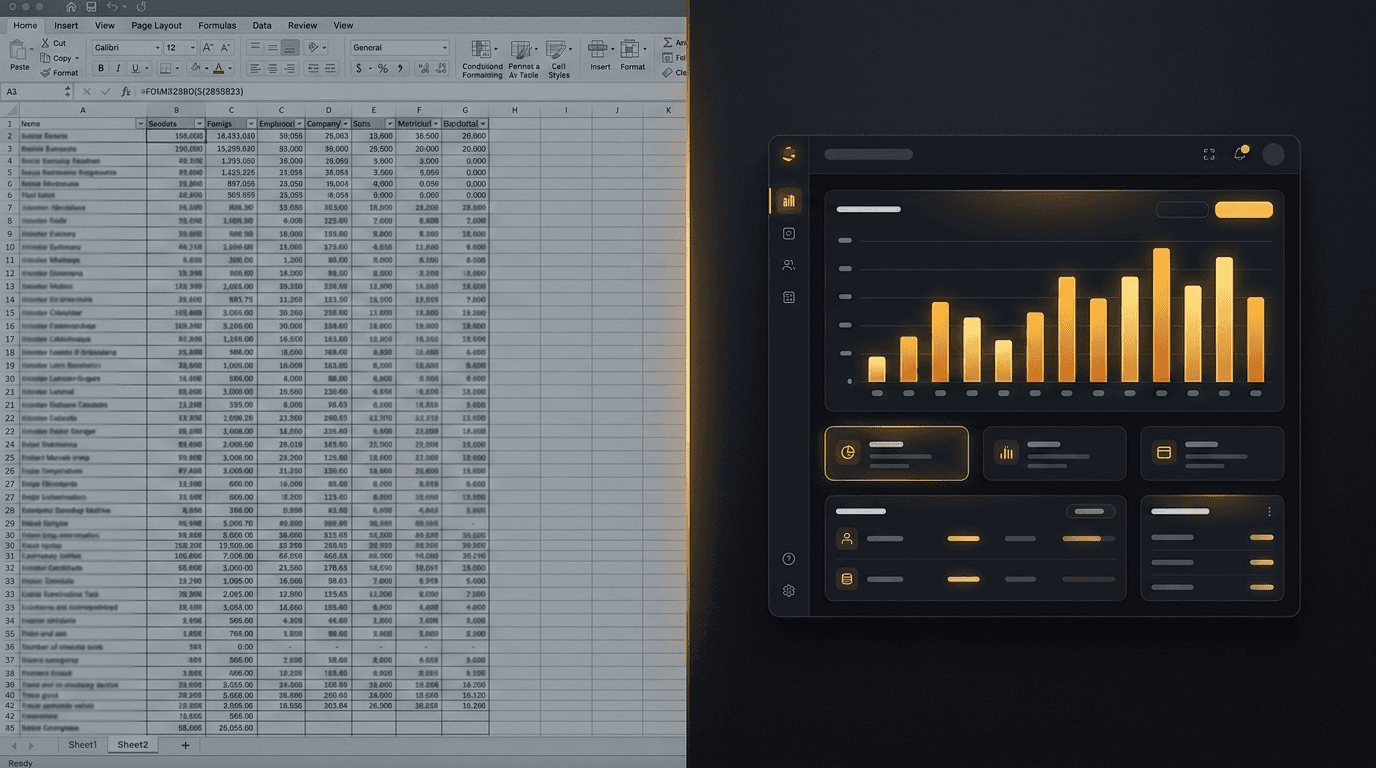
O segredo é escolher um sistema que você realmente vai usar. Planilhas funcionam, mas exigem disciplina. Apps conectados ao banco automatizam o processo, mas trazem concessões de privacidade e conexões instáveis.
Ferramentas como o MyMoneyViz oferecem um meio-termo: uma interface dedicada para acompanhamento manual que é mais rápida que planilhas, suporta mais de 13 tipos de ativos e nunca exige suas credenciais bancárias. Você tem gráficos bonitos e acompanhamento de metas sem abrir mão do controle ou da privacidade.
Conclusão
Acompanhar seu patrimônio líquido é o equivalente financeiro de subir na balança. Não muda seu peso, mas muda seu comportamento. Substitui ansiedade por dados, imprecisão por clareza e esperança por um plano.
Comece hoje. Seu eu do futuro vai agradecer.